Key Takeaways:
- Singapore and Germany conducted tests for cross-border EUR-SGD settlement, leveraging wholesale CBDC.
- No-knowledge proofs were used to settle conditions without involving the ledgers of central banks.
- The trial was conducted by DBS, Deutsche Bank and Partior.
Singapore and Germany have finished a new digital asset settlement test, designed to link two separate central bank infrastructures. The study concentrated on the wholesale foreign exchange settlement in various currencies, systems and operating hours.
Project Simbolon Connects Two Central Bank Settlement Systems
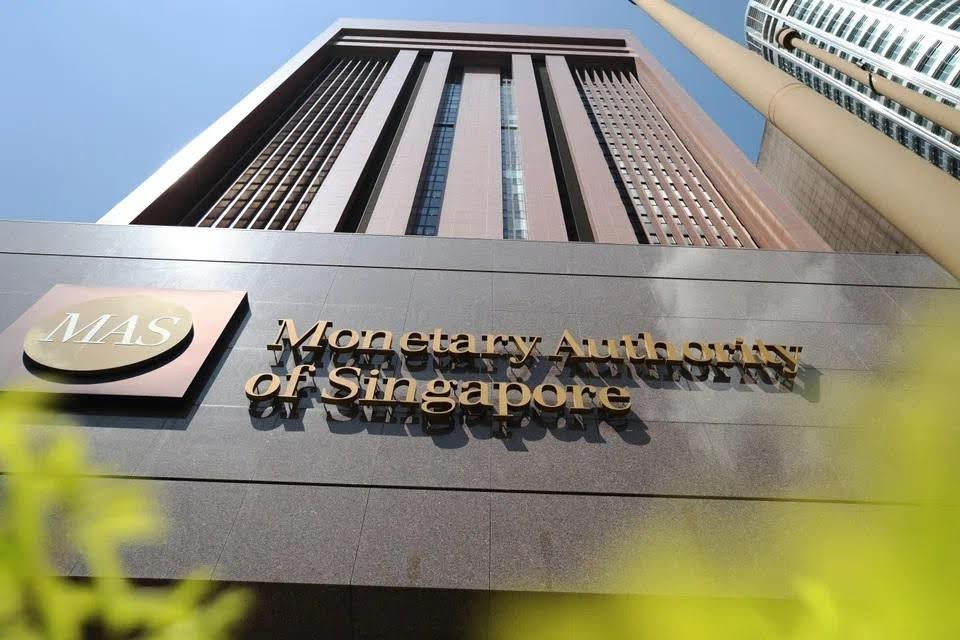
The Monetary Authority of Singapore and Deutsche Bundesbank conducted a test of connectivity between their digital asset settlement test environments in Project Simbolon, marking a significant first milestone achieved under a cross-border settlement agreement they signed in November 2025.
The commercial banks involved in the experiment were DBS and Deutsche Bank, who were technology supported by Partior.
The test included euro-Singapore dollar rates and trades derogated by wholesale central bank digital currency (CBDC). The project maintains the two main banking systems independent while synchronizing settlement in both systems.

Read More: 25 BLOOM Participants Join 3 Asian Central Banks to Advance Cross-Border Digital Money

Zero-Knowledge Proofs Help Verify Settlement Conditions
Payment-for-payment (or PvP) settlement was used for Project Simbolon. Here, the transfer of one currency can be made only in conjunction with a transfer of the other currency.
Another feature of the setup: Zero-knowledge proofs. The technology enabled each settlement environment to verify that it met the required criteria without revealing any original information in the ledgers or making any technological link between the two central bank ledgers.
This architecture is especially relevant to tokenized finance since other blockchain-based or digital ledger systems could want to communicate with each other without needing to be reconstructed on top of a shared infrastructure.
Wholesale CBDCs Target FX and Tokenized Asset Settlement
Both markets are in different time zones, which means that banks might have to organise liquidity prior to the settlement. A more tightly integrated settlement model for the digital world would enable institutions to commit and source funds more in line with the time of the actual settlement.
Project Guardian, MAS’ work on institutional tokenization and more efficient tokenized financial markets greatly complements the work, said MAS. Since 2024 the Bundewanskynd has been a member of the Guardian Policymaker Group.
MAS and Bundesbank Plan Broader Digital Asset Testing
The two central banks will keep cooperating with industry on broader applications of interoperable digital asset settlement.
Further work is anticipated that will consider settlement performance, legal treatment, operating procedure, governance and regulatory considerations. Also one will be prepared to cover in greater detail the technical aspects of the architecture, testing, and potential implementation of Project Simbolon.
The crypto industry will get a further example of how central banks are exploring blockchain-related infrastructure and tokenised currency and cryptographic verification for institutional settlement, but not retail payments.
Read More: DBS and Citi Enable 24/7 USD Payments With Tokenized Deposits, Cutting Settlement to Minutes