Bitcoin investing has expanded from a small group of early adopters into an institutional market that includes public companies, asset managers, venture capital funds, and regulated investment products.
Some of them even entered the market when Bitcoin was still worth hundreds of dollars or less. Others helped bring the cryptocurrency into corporate treasuries and traditional investment portfolios that we see on the news today.
That said, here is the list of Bitcoin investors that you should know in 2026.
Michael Saylor

Michael Saylor has become one of the most closely associated figures with corporate Bitcoin investing.
Saylor co-founded Strategy (formerly MicroStrategy) and serves as its executive chairman. The company began buying Bitcoin in 2020 and has since built the world’s largest publicly disclosed corporate BTC treasury.
As of August 31, 2026, Strategy held 845,050 BTC, acquired for about $63.7 billion at an average purchase price of $75,412 per Bitcoin, according to the company’s official Bitcoin ledger. That represents just over 4% of Bitcoin’s maximum supply of 21 million.
Strategy has funded Bitcoin purchases through a mix of cash, equity offerings, debt and preferred-stock products. The company has also developed financial products around its Bitcoin treasury rather than treating the cryptocurrency as a passive balance-sheet investment.
Saylor has personal exposure as well. He publicly disclosed owning 17,732 BTC in 2020 and said in August 2026 that he had never sold any of his personal Bitcoin.
Tim Draper
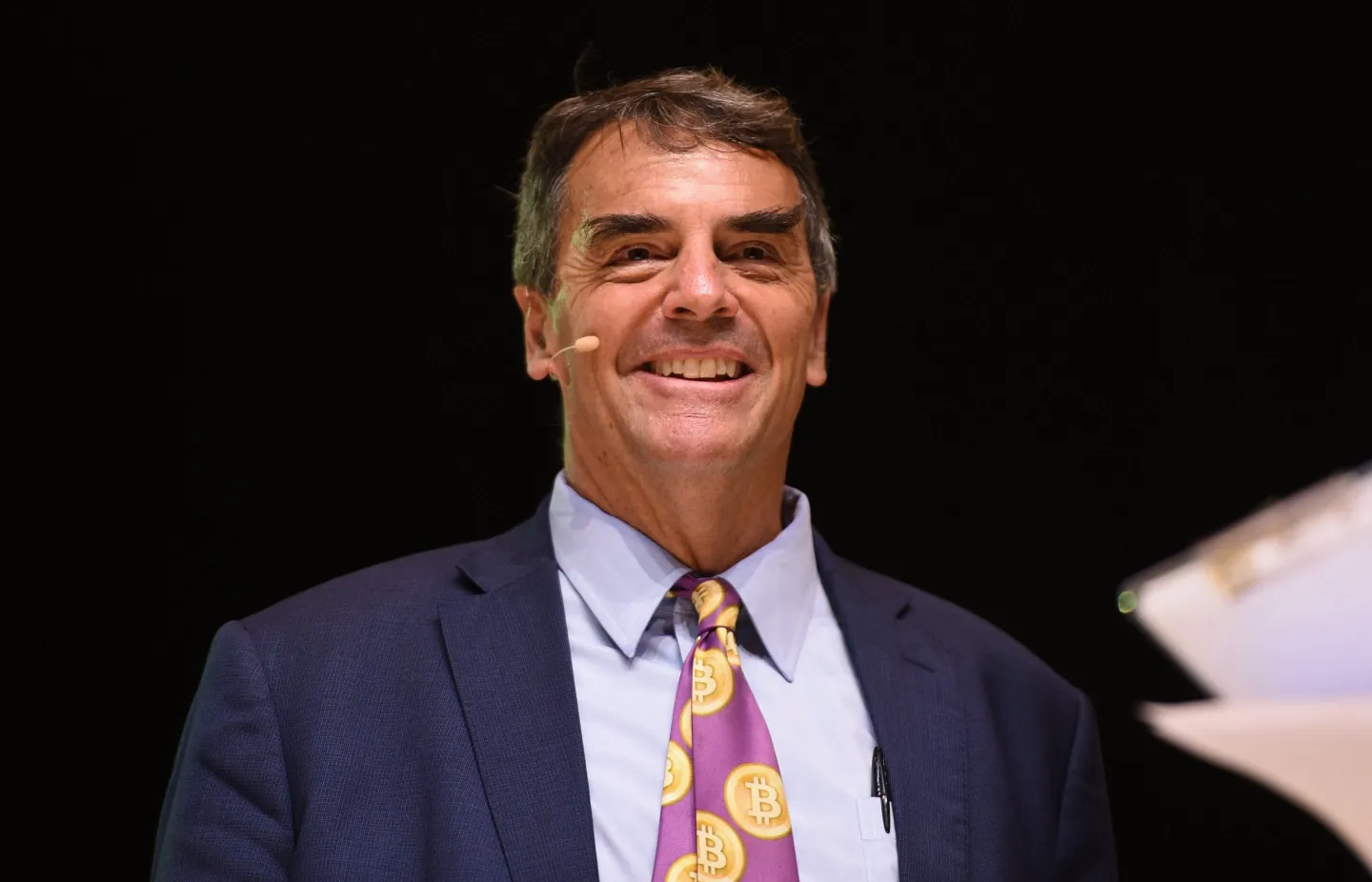
Venture capitalist Tim Draper became one of Bitcoin’s best-known early investors after buying BTC seized from the Silk Road marketplace.
In June 2014, Draper won all 29,656 BTC offered in the first U.S. Marshals Service Bitcoin auction. He later won another 2,000 BTC in a second government auction that December.
At the time, Bitcoin was trading for only a few hundred dollars. Draper said he intended to use the coins to support Bitcoin liquidity and financial services in emerging markets.
His current Bitcoin balance is not publicly verifiable, so the original auction purchases should not be treated as his present holdings. His importance to Bitcoin investing comes from making a large institutional-style bet on BTC years before mainstream financial firms entered the market.
Cameron and Tyler Winklevoss
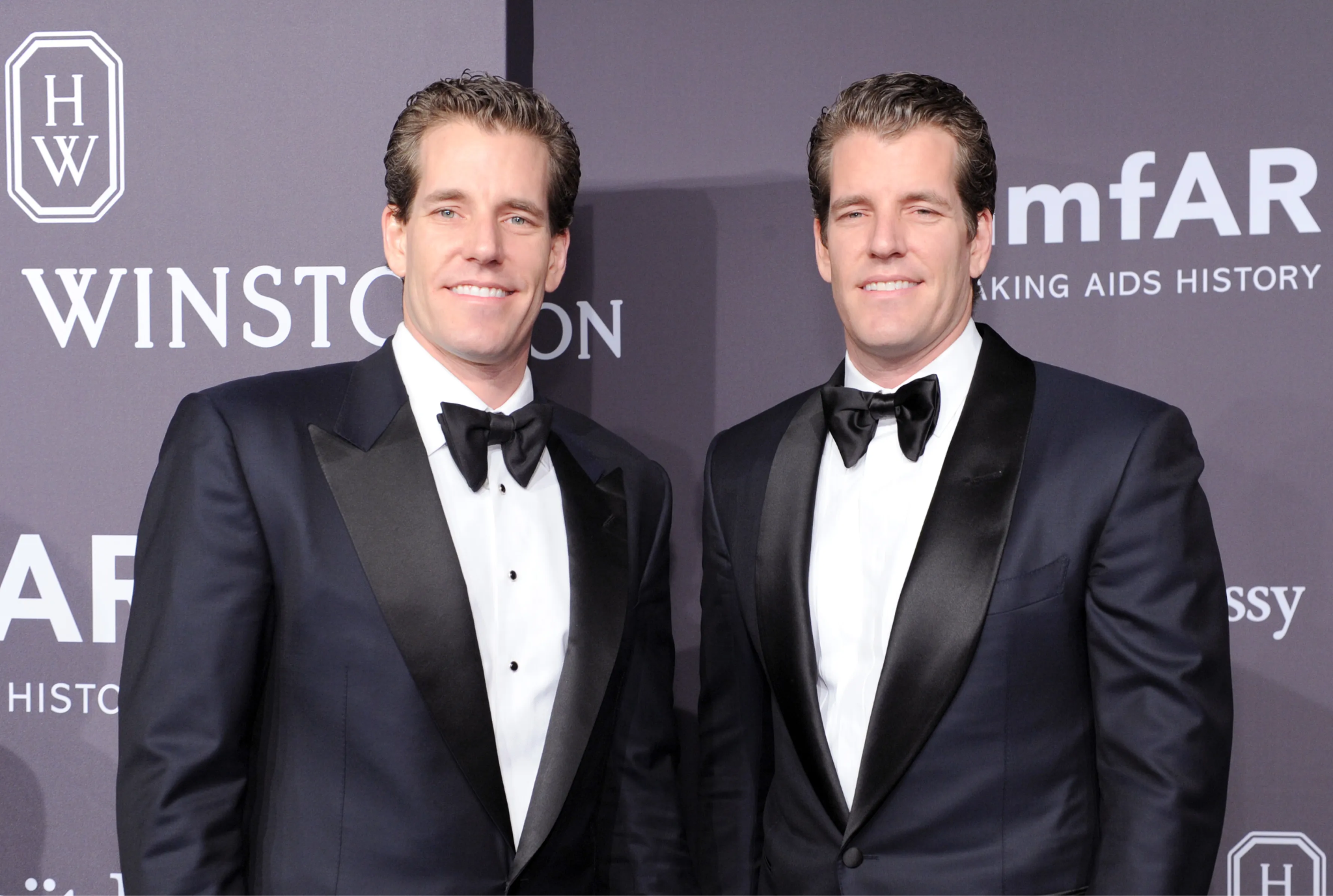
Cameron and Tyler Winklevoss began investing directly in Bitcoin in 2012 and later built much of their business around digital assets.
The brothers co-founded Gemini, which grew from a Bitcoin exchange into a broader crypto and markets platform. Gemini’s corporate governance disclosures confirm that both began participating in digital assets through direct Bitcoin investments in 2012.
The brothers remain active Bitcoin investors through Winklevoss Capital. In 2024, the firm invested $4.5 million worth of Bitcoin into Real Bedford Football Club. In May 2026, Winklevoss Capital also invested $100 million in Gemini, paying in Bitcoin.
Michael Novogratz
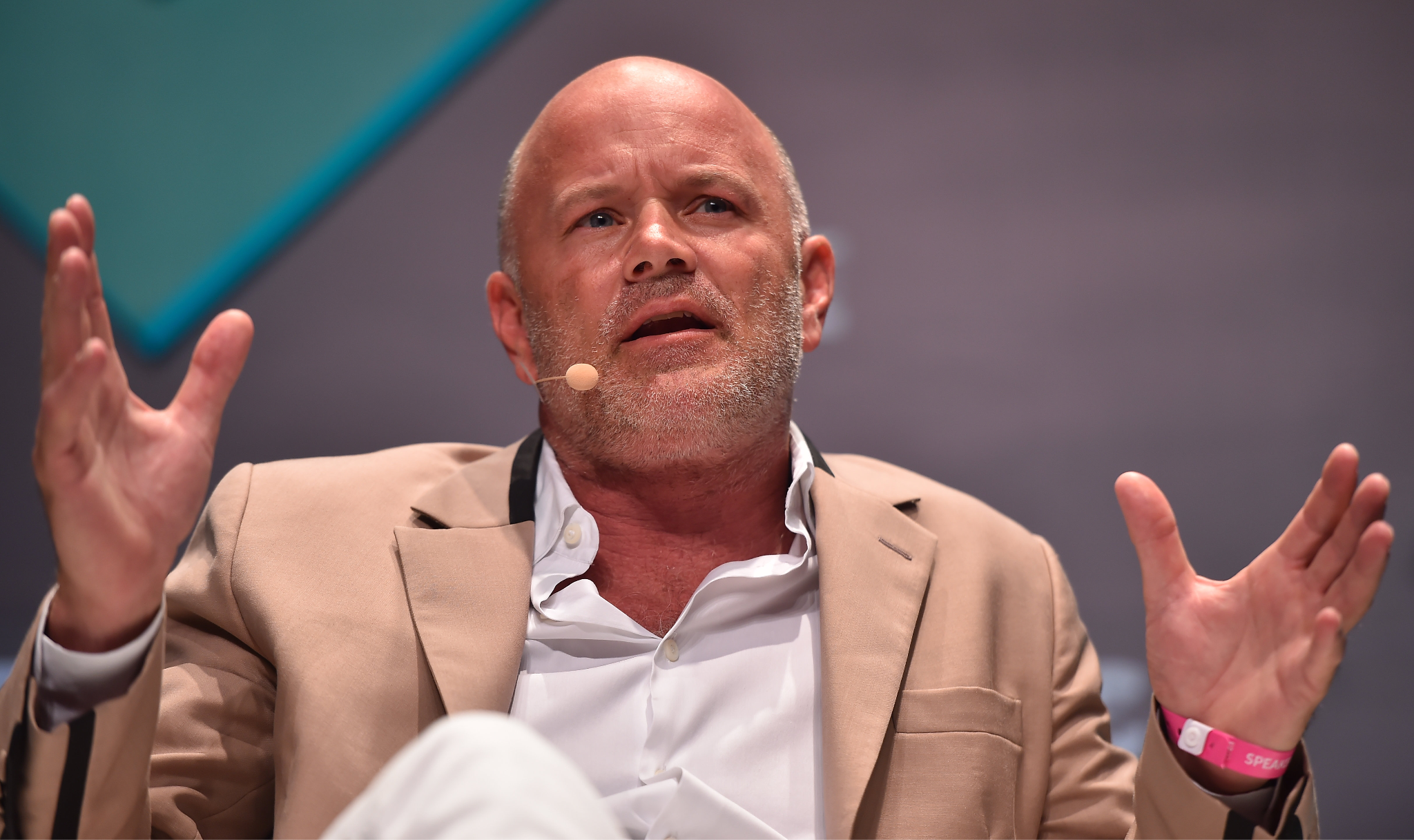
Michael Novogratz moved into Bitcoin after a long career in traditional finance, including Goldman Sachs and Fortress Investment Group.
He founded Galaxy, which operates across digital-asset trading, asset management, infrastructure, and investment banking. Novogratz has said his interest in Bitcoin began after a friend encouraged him to read the Bitcoin whitepaper in 2013.
Before Galaxy became the business it is today, Novogratz contributed a portfolio of digital assets and related investments valued at approximately $302 million to Galaxy LP in 2018.
Galaxy continues to hold and trade Bitcoin through its business, while Novogratz remains one of the most prominent institutional voices on BTC and the broader crypto market.
Jack Dorsey

Jack Dorsey has made Bitcoin a major part of both his personal advocacy and Block’s strategy, the payments company he co-founded.
Block was one of the earlier public companies to add Bitcoin to its treasury, investing $220 million in BTC through purchases announced in 2020 and 2021.
In 2024, Dorsey announced that Block would go further by investing 10% of the company’s monthly gross profit from Bitcoin products into additional Bitcoin purchases.
Bitcoin is also integrated across several Block businesses, including Cash App and the company’s Bitcoin-focused initiatives.
Unlike Strategy, Block is not primarily a Bitcoin treasury company. Dorsey’s significance comes from pushing Bitcoin into payments, corporate treasury management, and consumer financial products.
Cathie Wood
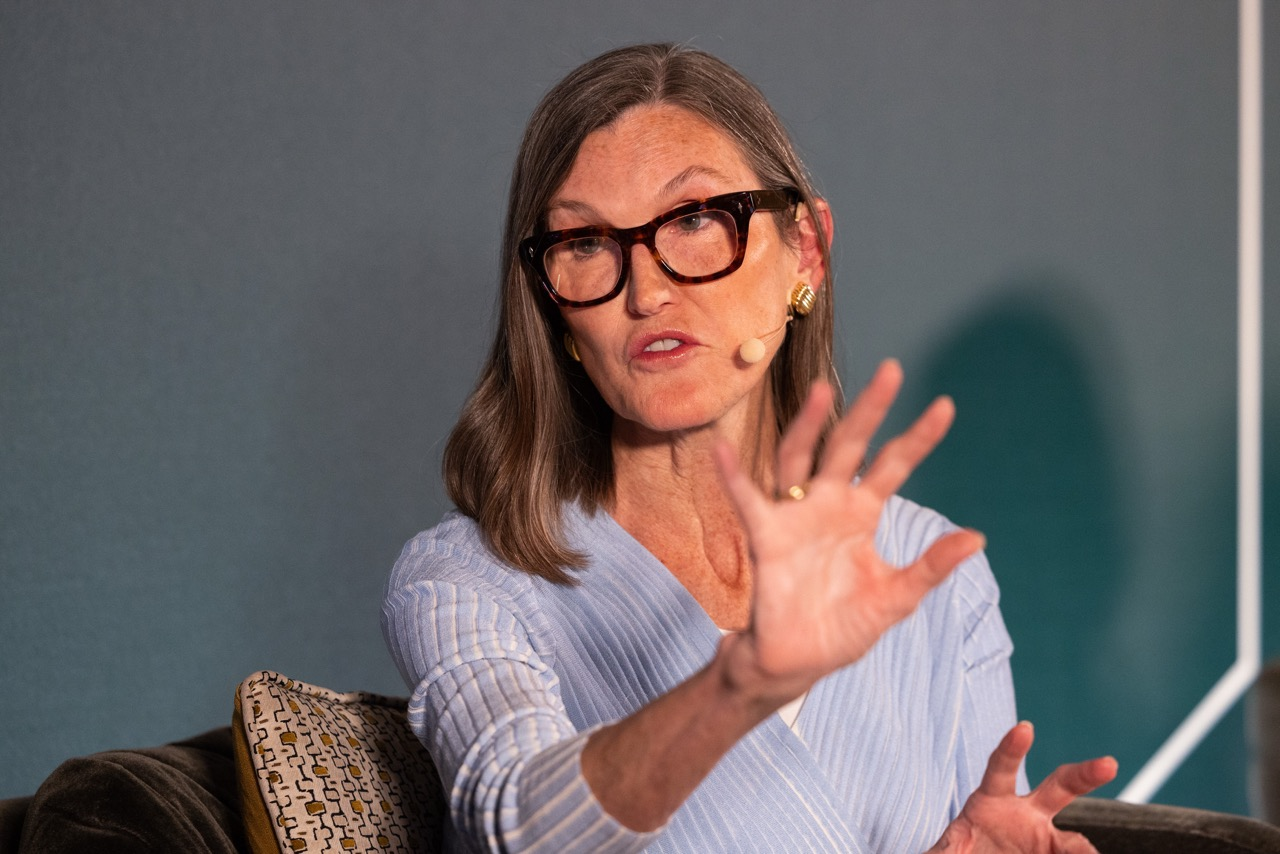
Cathie Wood is the founder and CEO of ARK Invest, and was an early institutional advocate for Bitcoin when most traditional asset managers avoided it.
ARK first gained exposure to Bitcoin through the Bitcoin Investment Trust in 2015, when BTC was trading around $250. ARK has described itself as the first public asset manager to gain Bitcoin exposure at that price level.
Wood and ARK have continued publishing research on Bitcoin’s potential role in institutional portfolios. ARK’s 2026 research highlighted Bitcoin’s relatively low correlation with major asset classes, including stocks, bonds, and gold.
Wood’s place on this list reflects her role as an investment manager rather than a publicly disclosed personal BTC balance.
Dan Morehead

Dan Morehead founded Pantera Capital and launched the Pantera Bitcoin Fund in 2013, making it one of the earliest institutional investment vehicles dedicated to Bitcoin.
Pantera later disclosed that between 2013 and 2015 it had purchased about 2% of the world’s Bitcoin through its investment strategy. In 2024, the firm reported that its Bitcoin Fund had reached a lifetime return of more than 1,000 times its initial value.
Morehead’s background includes traditional macro investing before he moved Pantera’s focus toward blockchain and digital assets.
The historical 2% figure refers to Bitcoin acquired by Pantera’s investment operations during that period, not Morehead’s personal Bitcoin holdings today.
Barry Silbert
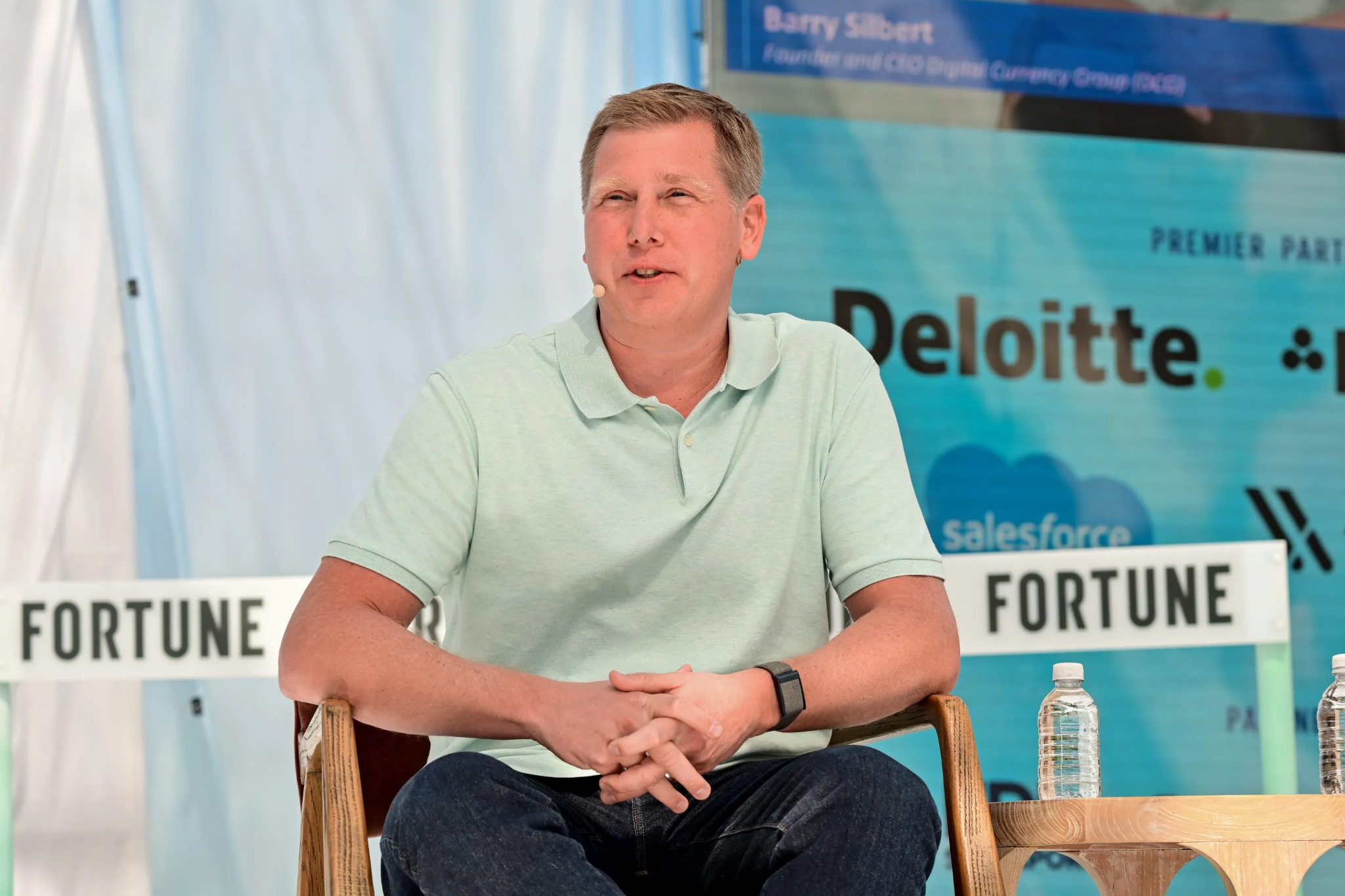
Barry Silbert was another early investor who entered Bitcoin before it became a mainstream asset.
Silbert has said he bought roughly $175,000 worth of Bitcoin in 2012 at around $11 per BTC. He later founded Digital Currency Group (DCG), which became an investor and operator across the cryptocurrency industry.
Regulatory filings have described Silbert as one of the earliest and most active Bitcoin-sector investors, with early funding going to companies including Coinbase, BitPay, and other crypto businesses.
He also founded SecondMarket, which won 48,000 BTC in a U.S. government auction in 2014. Those coins belonged to the business or participating investment syndicate, not to Silbert’s personal holdings.
Why These Bitcoin Investors Still Matter
The biggest change since Bitcoin’s early years is not simply how much BTC these investors may own. It is how their investments helped create different ways for other people and institutions to gain Bitcoin exposure.
Draper, Silbert, the Winklevoss twins and Morehead were taking significant positions before Bitcoin had broad institutional acceptance. Wood helped introduce BTC to traditional investment management, while Novogratz built institutional crypto infrastructure around it.
Dorsey pushed Bitcoin further into payments and corporate finance, while Saylor turned corporate Bitcoin accumulation into a dedicated treasury strategy. By August 2026, Strategy alone controlled more than 4% of Bitcoin’s maximum supply.
The exact personal holdings of many early investors may remain private, which is why publicly verified investments and disclosures provide a more reliable measure than online estimates of who owns the most Bitcoin.
Frequently Asked Questions
Need a refresher? Here are answers to some of the most searched questions about major Bitcoin investors and holders.
Who Owns the Most Bitcoin?
Bitcoin’s creator, Satoshi Nakamoto, is widely believed to control a very large amount of early-mined Bitcoin. Among public companies with disclosed holdings, Strategy is the largest, reporting 845,050 BTC as of August 31, 2026.
How Much Bitcoin Does Michael Saylor Own?
Saylor disclosed 17,732 BTC as his personal holdings in 2020 and said in August 2026 that he had never sold any of his Bitcoin. Strategy’s 845,050 BTC is company property and should not be counted as Saylor’s personal Bitcoin.
How Much Bitcoin Do the Winklevoss Twins Own?
Their current personal Bitcoin holdings are not publicly verified. Cameron and Tyler Winklevoss began investing in Bitcoin directly in 2012, but their holdings should only be treated as estimates.
Who Was the First Major Investor in Bitcoin?
There is no single definitive first major investor. Several early investors entered during Bitcoin’s first few years. Barry Silbert was buying BTC in 2012, the Winklevoss twins began investing the same year, and Dan Morehead launched Pantera’s Bitcoin Fund in 2013.
Can You See Who Owns Bitcoin?
You can see balances and transactions associated with public Bitcoin addresses, but addresses do not automatically reveal the owner’s identity.